For medical skincare practices
Wholesale skincare for your treatment room and retail shelf
Compare offers from reviewed suppliers on medical-grade skincare, post-procedure care, and backbar products, and keep retail restocks on a schedule.
Free savings analysis: Upload an invoice and we'll show exactly where you'd save. If we can't find savings, we'll tell you.
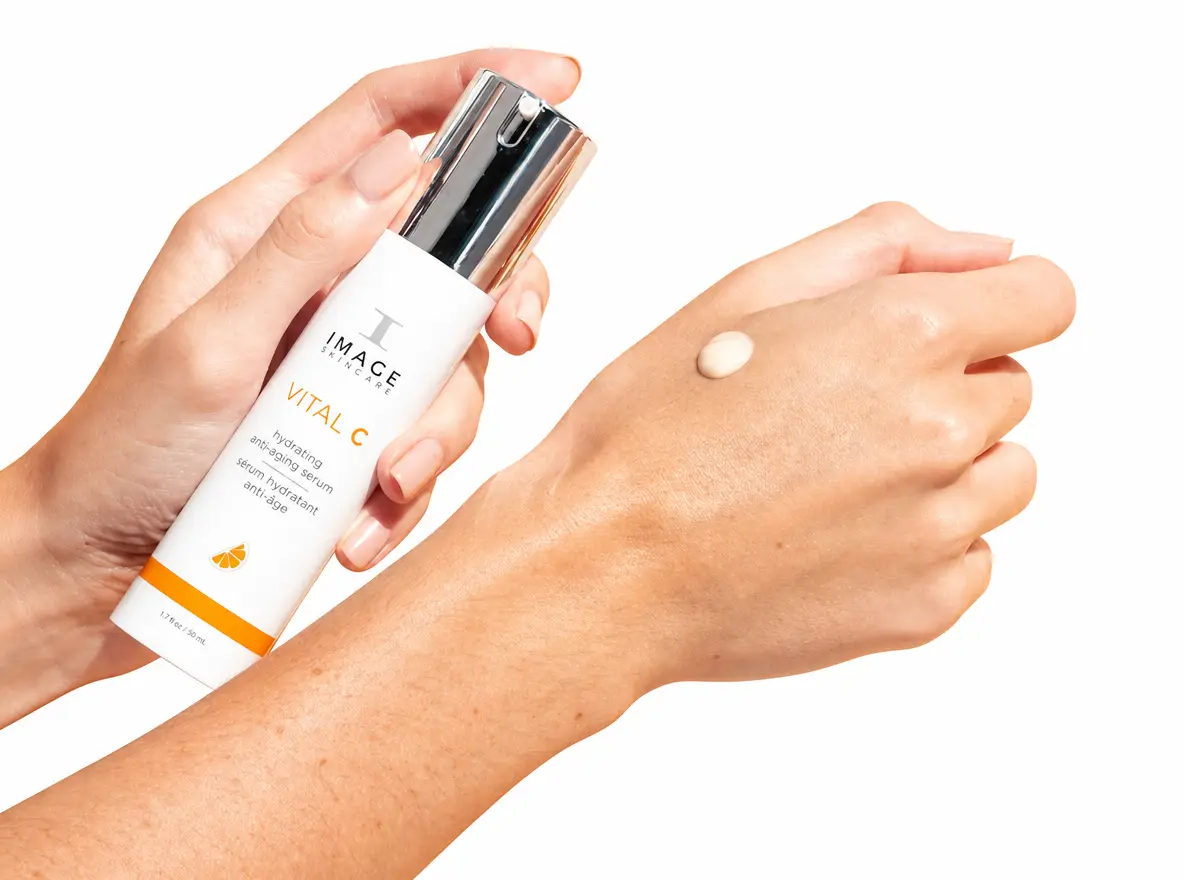
Buying medical-grade skincare wholesale
Most practices buy skincare for two separate jobs. Backbar products are used up during facials, peels, and post-procedure care, while retail products are resold to patients. The two run on different reorder rhythms and margins, and they can be taxed differently. In Texas, for example, merchandise bought tax-free on a resale certificate becomes taxable if the business uses it instead of reselling it. Check your state's rules and keep backbar and retail purchases separate in your books.
Professional skincare brands watch their distribution closely. Obagi, for example, says its products are meant to be sold only through authorized medical professionals and partners, and that it cannot help with products bought outside its supply chain. Brands may also publish minimum advertised price policies. Under federal antitrust law, a manufacturer acting on its own can choose its distributors and stop dealing with a retailer that does not follow its resale price policy.
Labels matter as much as price. Under FDA rules, a product meant to treat acne or protect against the sun is a drug, and drugs, including drug-cosmetic combinations such as moisturizers with SPF, must carry expiration dates. Pure cosmetics have no federal expiration-date requirement, so ask each brand how it communicates shelf life. Over-the-counter skin lightening products containing hydroquinone can no longer be legally sold without FDA approval.
Pink Kiwi lets you compare offers on the same skincare products from reviewed suppliers, normalized to the same unit. Suppliers claiming authorized-distributor status upload a manufacturer authorization letter, backbar staples can live on a reorder list, and retail bestsellers can go on a replenishment schedule.
Sound familiar?
Retail margin eaten by wholesale cost
Every dollar you overpay wholesale comes straight out of your retail margin. See current offers from approved suppliers on the same products.
Not sure who is an authorized seller
Many skincare brands restrict who may sell their products. Suppliers claiming authorized-distributor status upload a manufacturer authorization letter before they are approved.
Backbar and retail on different rhythms
Keep a reorder list for backbar staples and a replenishment schedule for retail bestsellers so neither runs out.
What a medical skincare practice typically stocks
Split your list into what patients buy and what your team uses. Product choices stay with your providers and the brands you carry.
Retail regimens
Browse skincare- Cleansers and moisturizers
- Confirm you are ordering the retail size and check the batch or expiry date on arrival.
- Antioxidant and treatment serums
- Store away from heat and sunlight, which FDA notes can break down preservatives and change texture.
- Sunscreens
- Sunscreens are regulated as drugs, so check the Drug Facts label and that the expiration date leaves time to sell through.
- Acne treatment products
- Products sold to treat acne are drugs under FDA rules, so check active ingredients and expiration dates.
- Brightening and pigment products
- Check the active ingredients, since OTC hydroquinone products cannot be legally marketed without FDA approval.
Backbar and treatment products
Browse skincare- Professional-size cleansers and toners
- Buy backbar sizes where the brand offers them and compare cost per ounce or milliliter.
- Chemical peel solutions
- Check strength and pack size, and whether the brand requires a professional account or training before selling to you.
- Treatment masks and serums
- Compare single-use sachets against bulk jars by cost per treatment, and check opened-product guidance from the brand.
- Massage and hydrating bases
- Compare by volume and check expiry dates on large backbar containers.
Post-procedure care
Browse skincare- Barrier balms and occlusives
- Single-use packets work well for take-home kits; tubes cost less per use on the backbar.
- Gentle post-procedure cleansers
- Check retail and professional sizes separately when comparing offers.
- Mineral sunscreen for aftercare
- Like all sunscreens, these are drugs, so confirm expiration dating on every case.
- Soothing and hydrating masks
- Compare by count per box and check whether they are sold individually wrapped.
Treatment room supplies
Browse consumables- Disposable spatulas and applicators
- Single-use spatulas keep fingers out of jars, which FDA notes adds microorganisms; compare by count.
- Fan brushes and peel applicators
- Check whether they are disposable or reusable and compare by unit.
- Cotton rounds and gauze
- Compare by count per bag and note whether the gauze is sterile.
- Nitrile exam gloves
- Compare by box count and the size mix your team needs.
Medical skincare starter list
A starting point from the live catalog: professional skincare, post-procedure care, and the consumables used in treatment.
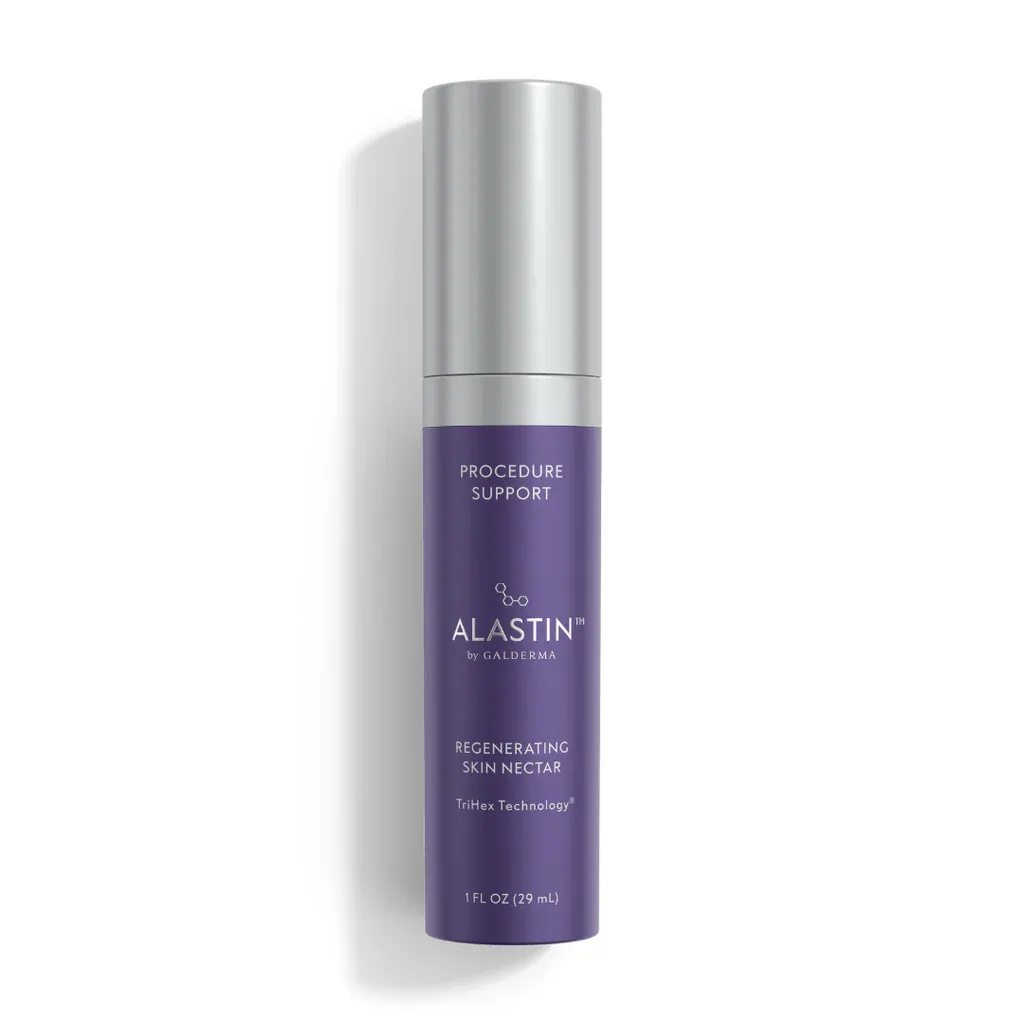
ALASTIN Skincare
Skincare
ALASTIN Regenerating Skin Nectar — 30 mL
View product details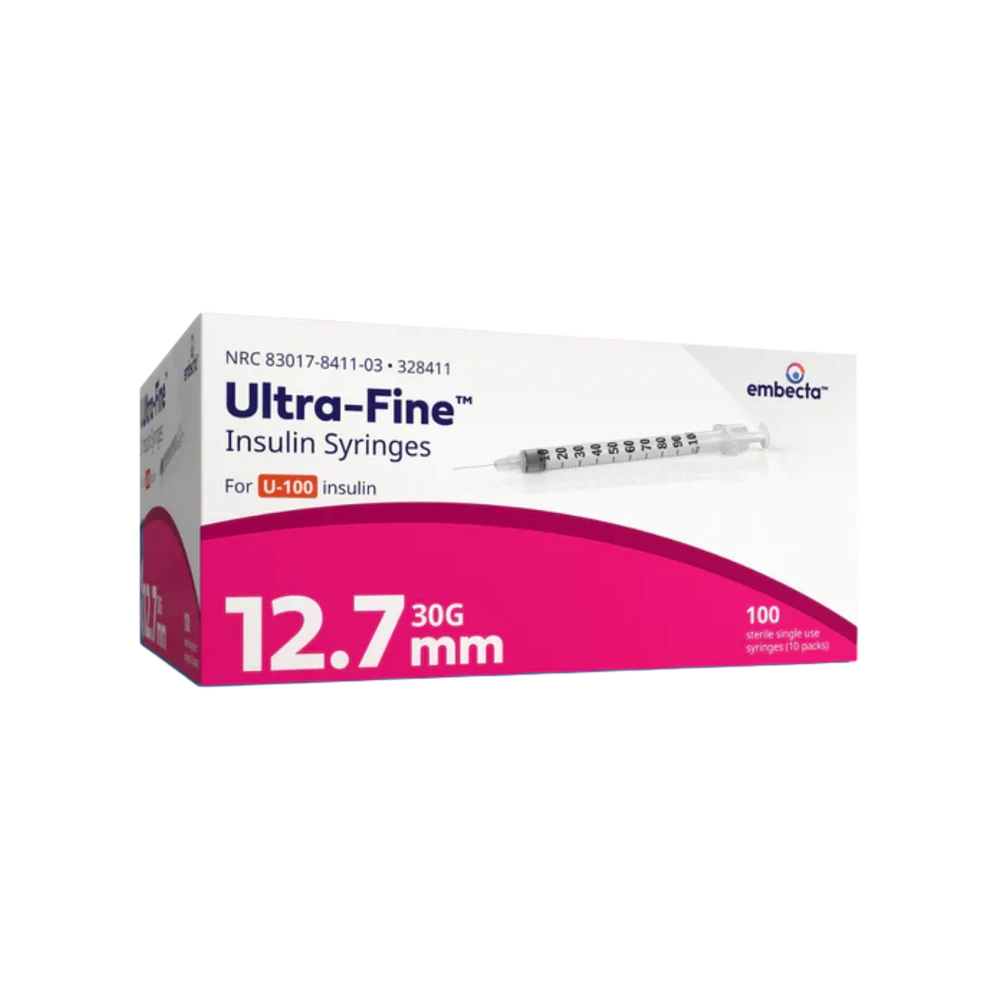
BD
Consumables
0.3mL BD™ Insulin Syringe 30G x 1/2" BD Ultra-Fine™ Needle (100)
View product details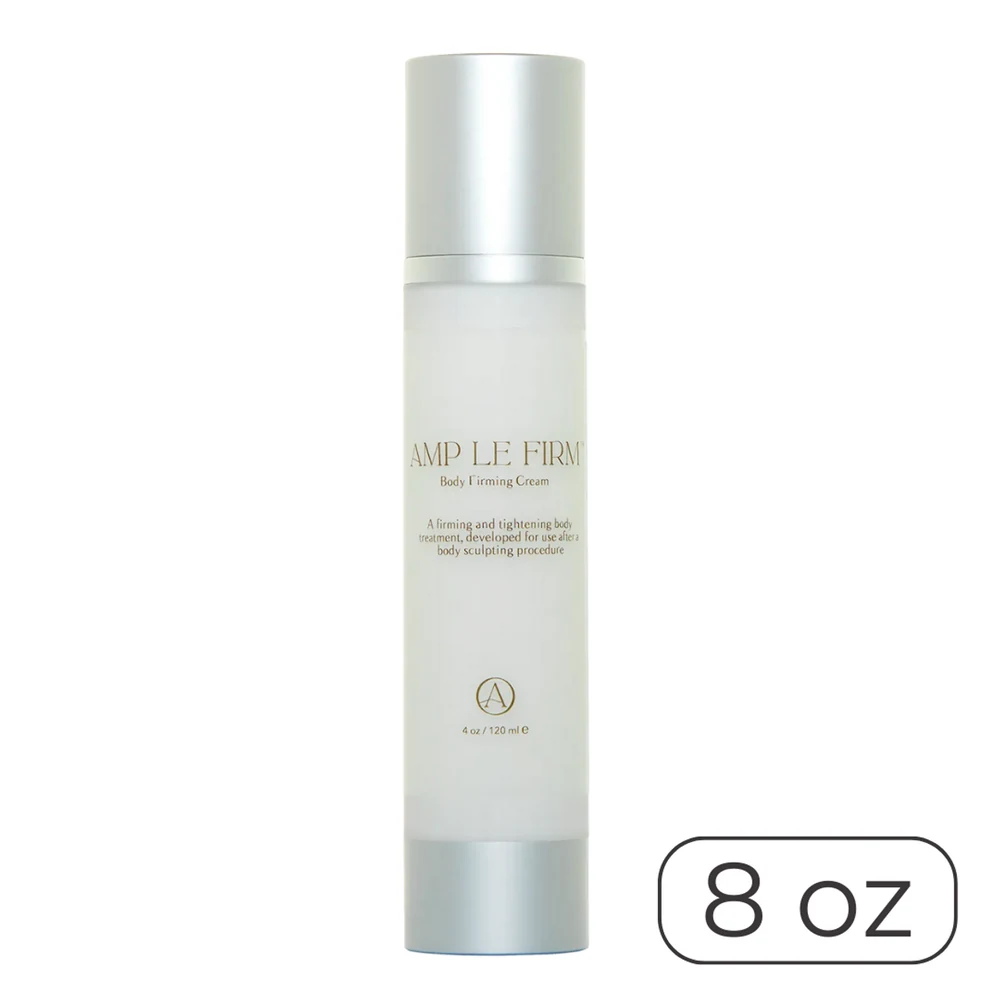
AMP Medical
Skincare
AMP Medical AMP Le Firm Body Cream
View product details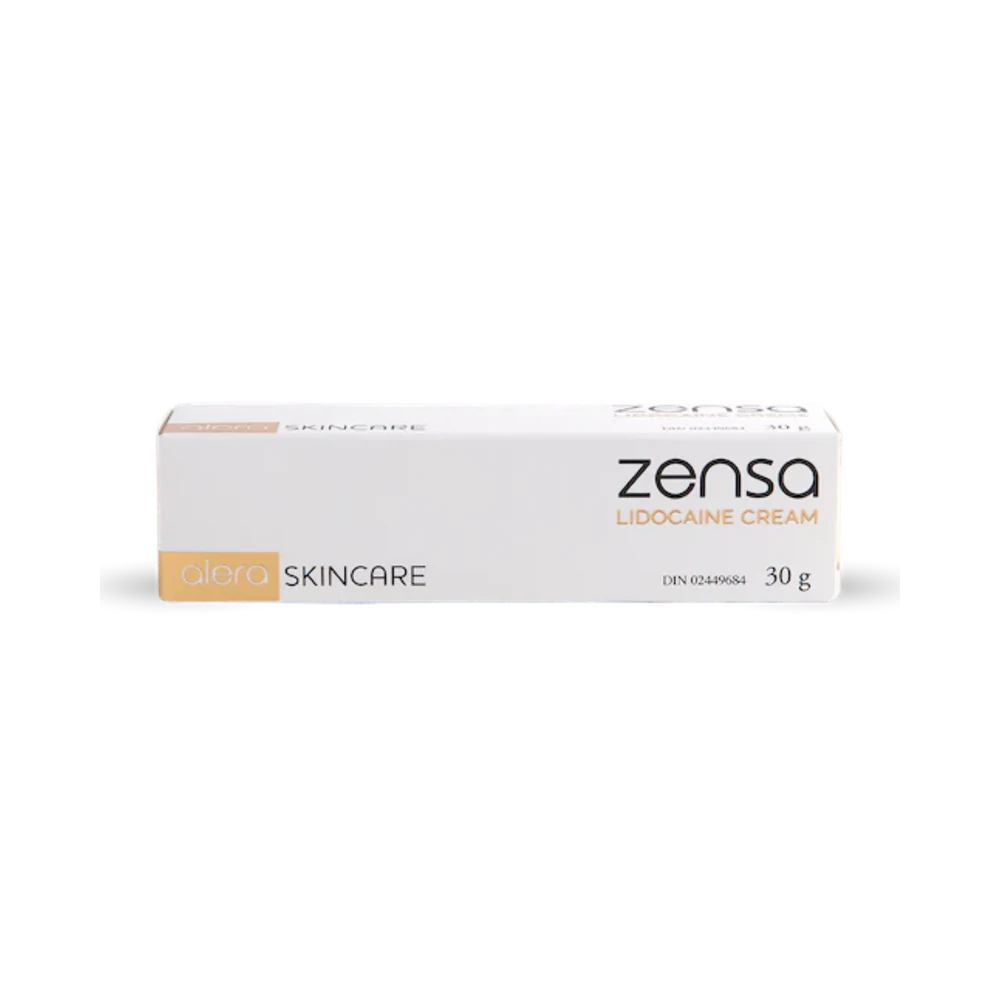
Allera Skin
Consumables
Allera Skin Zensa Numbing Cream 30g Tube
View product details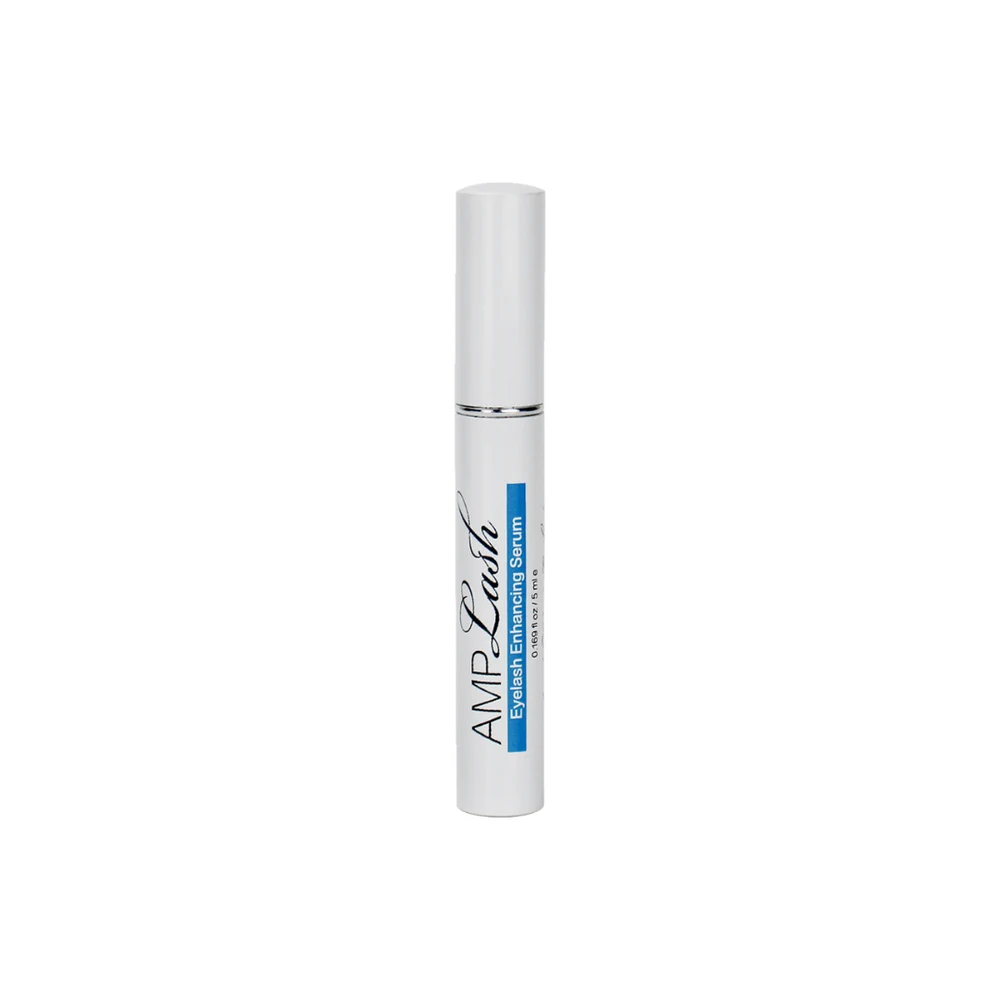
AMP Medical
Skincare
AMP Medical AMPLash Eyelash Enhancing Serum
View product details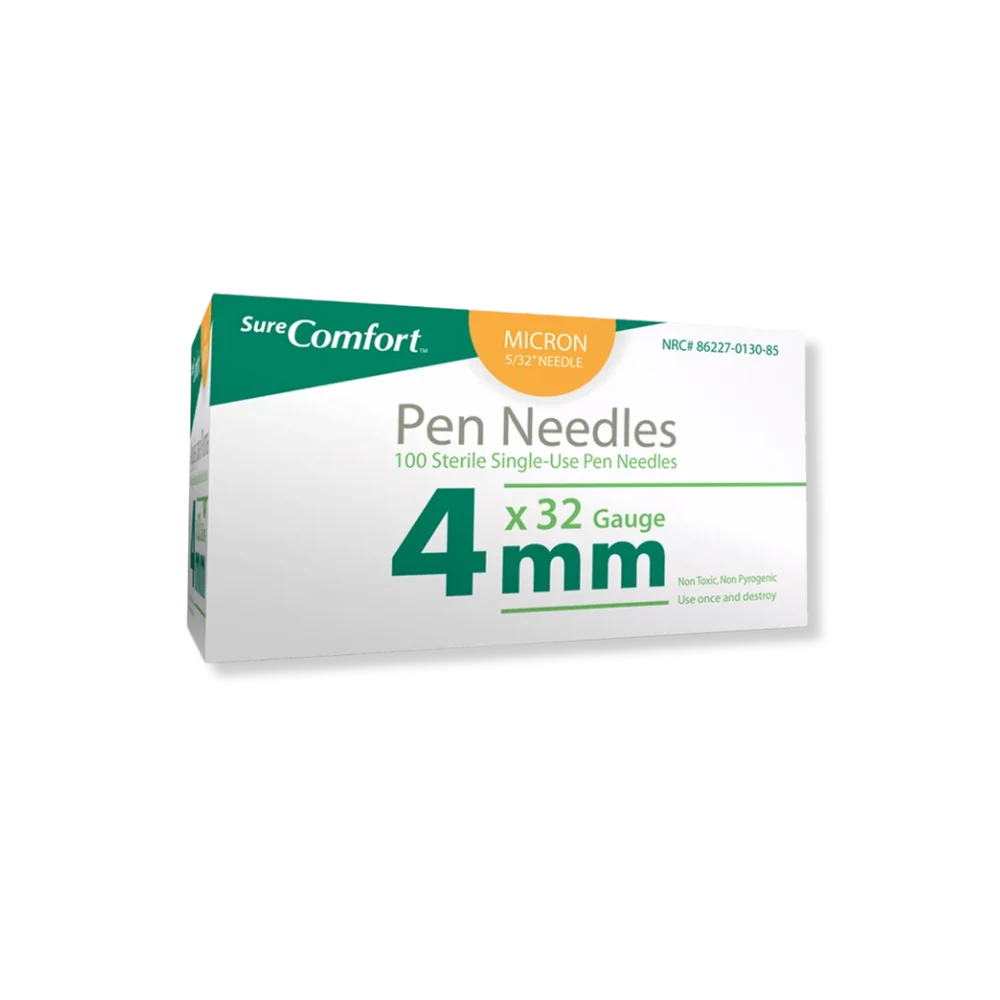
Allison Medical
Consumables
Allison Medical SureComfort 4MM Pen Needles 32G 5/32in 100 per Box
View product details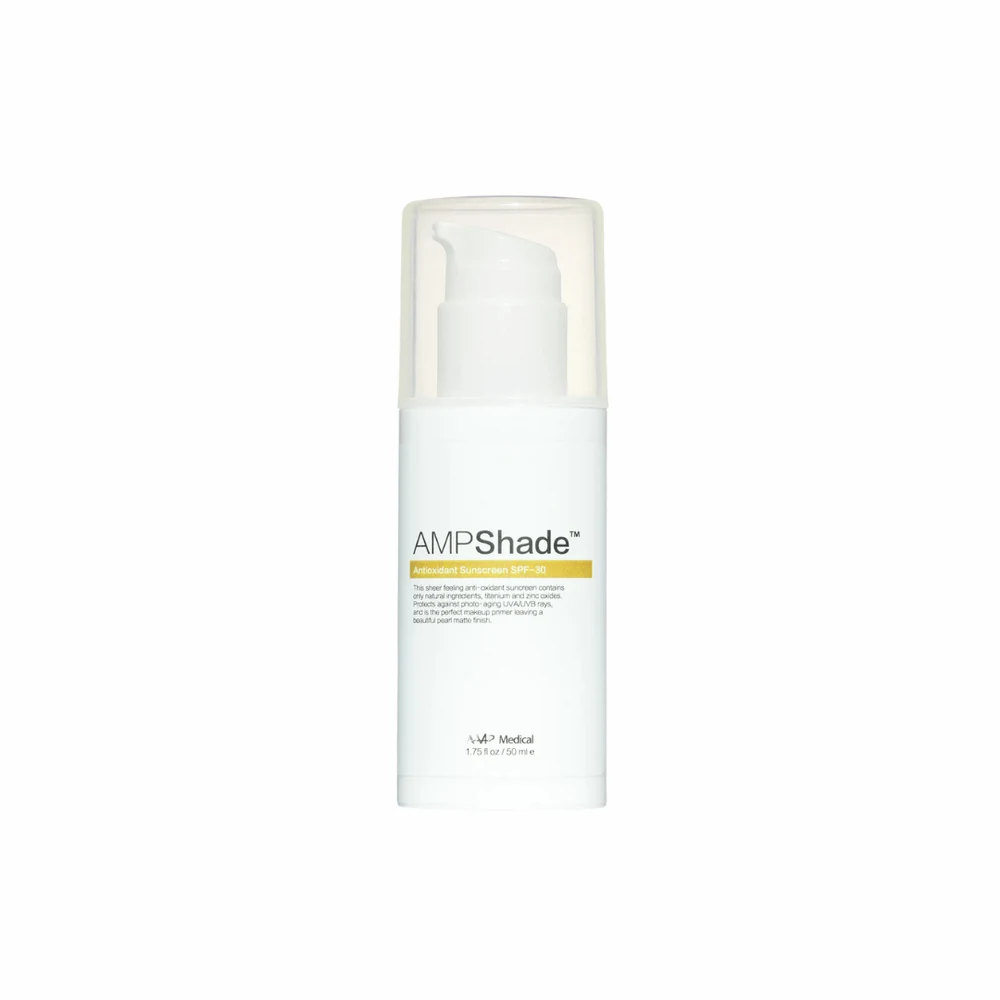
AMP Medical
Skincare
AMP Medical AMPShade SPF-30 – Case of 12
View product details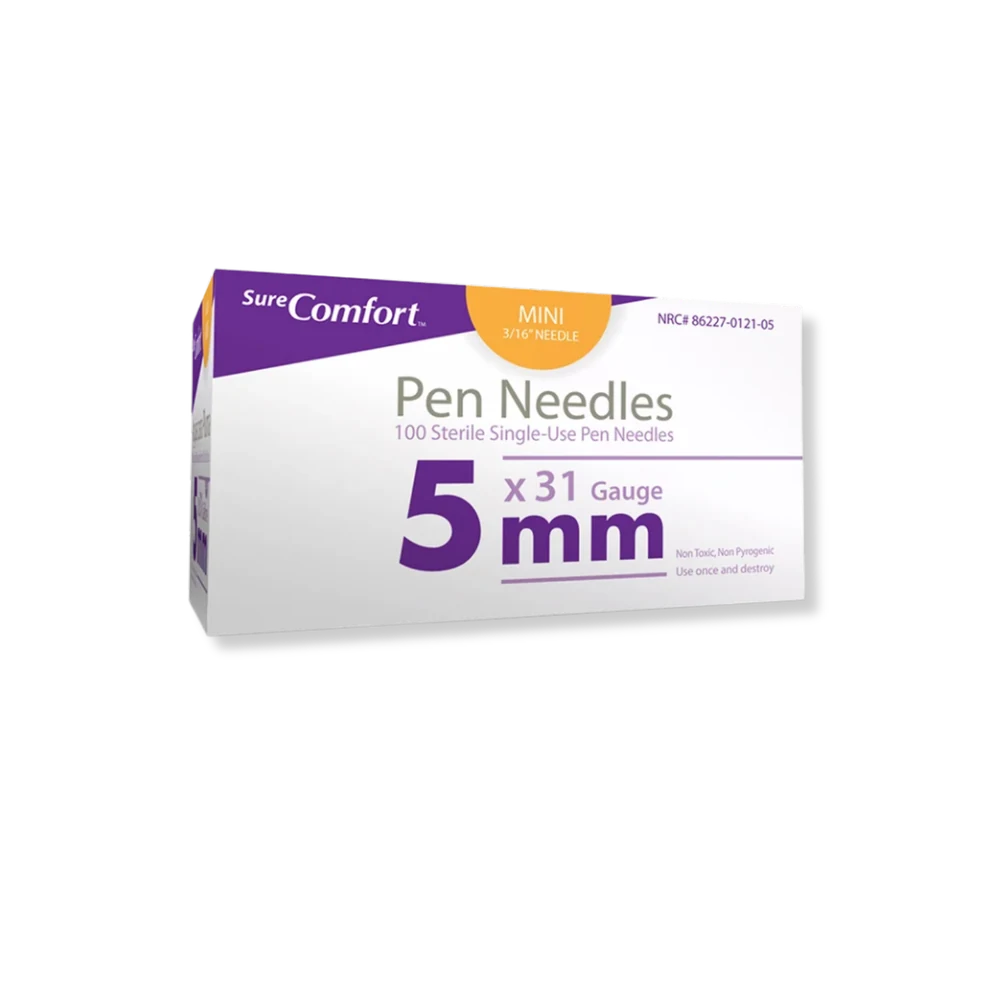
Allison Medical
Consumables
Allison Medical SureComfort 5MM Pen Needles 31G 3/16in (100/Box)
View product details
What to check before you buy skincare wholesale
Authorized sellers and diversion
Some brands sell only through approved practices and partners. Obagi warns that products bought from unauthorized sources come with no assurance of authenticity or proper handling and may be outdated or counterfeit. Before buying a line from a new supplier, check whether the brand lists authorized sellers and ask the supplier for its authorization.
Minimum advertised price policies
Under FTC guidance, a manufacturer can set a resale price policy on a take-it-or-leave-it basis and stop selling to dealers who do not follow it. If you sell online or publish retail prices, read each brand's policy first. This is general information; ask your attorney about any specific agreement.
Expiry and shelf life
Drugs such as sunscreens and acne treatments must carry expiration dates, while pure cosmetics have no federal requirement for one. FDA notes that heat, sunlight, and contamination shorten shelf life. Store stock in a cool, dry place, sell older stock first, and avoid ordering more than you can sell before the dates on hand.
Backbar and retail tax treatment
Resale certificates generally cover goods you resell in the condition you bought them. Texas, for example, says that if you use merchandise bought on a resale certificate, you owe tax on it. Ask your accountant how your state treats backbar products, and tag orders as backbar or retail when you place them.
Know which products are drugs
FDA classifies products by intended use, so sun protection or acne claims make a product a drug, with drug labeling and expiration rules. Prescription-only products on Pink Kiwi require a verified license at checkout. OTC skin lightening products containing hydroquinone cannot be legally marketed without FDA approval.
Buy smarter. Stay compliant. Control spend.
Buy smarter
Compare offers on the professional and retail skincare you already stock, normalized to the same unit.
Stay compliant
Buy from suppliers our team has reviewed, with authorization letters required from those claiming authorized-distributor status.
Control spend
Reorder lists and replenishment schedules keep backbar and retail stocked without over-ordering.
Guides for medical skincare practices
- Wholesale Medical-Grade Skincare: Margins, MAP, ResellersHow medspas buy medical-grade skincare wholesale: retail margin math, MAP pricing policies, authorized reseller rules, diversion risk and how to pick lines.
- How to Reduce Medspa Supply Costs Without Cutting CornersFind where medspa supply spend leaks: price drift, freight, small orders, waste, unused rebates and rogue buying. A 90-day audit plan that keeps supply safe.
- Medspa GPOs and Buying Networks: How Group Purchasing WorksHow group purchasing organizations and buying networks work for medspas: who pays the fees, what they cover, safe harbor basics and the questions to ask first.
- Medspa Inventory Management: Lots, Expiry and Cold ChainA practical medspa inventory guide: what to track, lot and expiry logging, label storage rules for toxins and fillers, cold-chain monitoring, and par levels.
- Opening a Medspa Checklist: Supplies, Vendors and AccountsThe supply and vendor setup checklist for opening a medspa: registrations, manufacturer accounts, storage equipment, a starter supply list and first orders.
Medical skincare FAQs
Common questions from medical skincare practices buying through Pink Kiwi.
Do I need a medical license to order skincare?
Non-prescription skincare doesn't require a medical license, but your practice account must be reviewed and active before you can order. Prescription products require a verified license.
Are skincare suppliers authorized by the brand?
Suppliers that claim authorized-distributor status must upload a manufacturer authorization letter during onboarding, and every supplier is reviewed by our team before their offers go live. Check the supplier profile on each offer.
Can I schedule regular retail restocks?
Yes. Create a replenishment schedule for the products you reorder regularly and Pink Kiwi prepares the cart on the cadence you choose.
What is the difference between backbar and retail skincare?
Backbar products are used by your team during treatments, often in larger professional sizes. Retail products are sold to patients to use at home. Keeping them on separate reorder lists makes margins easier to track, and your state may tax them differently.
Do I have to follow a brand's minimum advertised price?
Brands set their own pricing policies, and FTC guidance says a manufacturer can stop selling to a retailer that does not follow its resale price policy. Read the terms of each brand account before advertising prices, and ask your attorney about specific agreements.
Does professional skincare expire?
Products regulated as drugs, such as sunscreens and acne treatments, must carry expiration dates. Pure cosmetics have no federal expiration-date requirement, but they still degrade with heat, light, and contamination, so rotate stock and check dates when deliveries arrive.
What does the free savings analysis include?
Upload a recent supplier invoice as a PDF, photo, CSV or spreadsheet. You review every extracted line, then we compare each item with current offers on Pink Kiwi and show exactly where you'd save. If we can't find savings, we'll tell you.
Sources
- Obagi: Authorized retailers
- FTC: Manufacturer-imposed requirements
- FDA: Shelf life and expiration dating of cosmetics
- FDA: Is it a cosmetic, a drug, or both? (Or is it soap?)
- FDA: FDA works to protect consumers from potentially harmful OTC skin lightening products
- Texas Comptroller: Sales and use tax FAQs, resale
Educational information, not medical or legal advice. Rules vary by state; confirm with your state board and product labeling.
Find out if you're overpaying on medical skincare supplies
Upload an invoice and we'll show exactly where you'd save. If we can't find savings, we'll tell you. PDFs, photos, CSVs and spreadsheets all work, and you review every line before anything is compared.